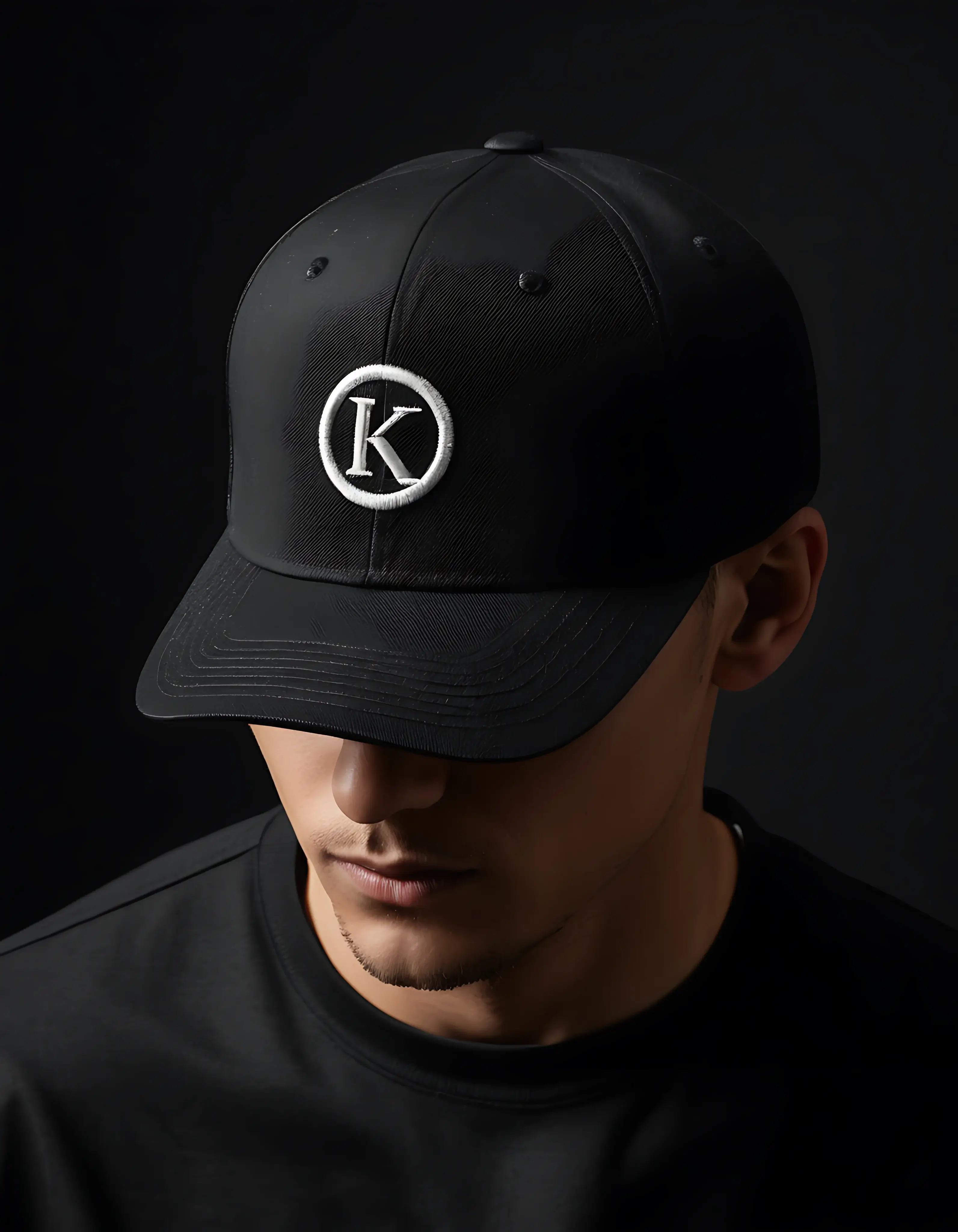

The bowler hat is one of those things you’ve definitely seen somewhere, even if you’ve never thought twice about it.
Maybe in an old Charlie Chaplin clip. Maybe on some British guy in a suit in a period drama. It has that rounded, almost too-perfect shape that kind of sticks in your head without trying.
But here’s the thing—the bowler hat didn’t start as a fashion piece. No one sat down and thought, “Let’s make something stylish.” It actually came out of a very practical, slightly annoying problem.
And honestly, that makes it a lot more interesting.
It Was Never About Style in the Beginning
Go back to the 1800s for a second.
You’ve got estate workers—gamekeepers—riding around on horses all day, moving through trees, dealing with uneven land, doing actual physical work. Not exactly a calm office environment.
Now imagine doing all of that while wearing top hats.
They looked great, sure. Tall, structured, very “put together.” But in real life? Useless.
They’d fall off. Get knocked by branches. Lose shape the moment they hit the ground. And replacing them wasn’t cheap either.
So yeah, it didn’t take long for someone to realize this setup wasn’t going to work.
One Simple Request Changed Everything
There was a man named Edward Coke (pronounced “cook”), and instead of just dealing with the problem, he decided to fix it.
He went to a hatmaker in London and basically said: I need something better than this.
Not fancier. Not trendier. Just… better.
Something that:
- stays on the head
- doesn’t break easily
- and can actually handle a bit of impact
That request landed with the brand’s chief hat maker, Thomas Bowler.
And instead of tweaking the existing design, he went in a completely different direction.
The First Version Was Surprisingly Tough
What Bowler came up with wasn’t complicated—but it was smart.
He ditched the height you see in top hats and went with a rounded crown instead. Lower, tighter, and made using hardened felt, so it actually had some strength to it.
It looked simple. Almost too simple.
But it did the job.
There’s this story (and it’s one of those stories that sounds made up but probably isn’t) that when Edward Coke came to see the hat, he tested it by throwing it on the ground and stepping on it.
Not lightly either.
And when the hat didn’t collapse or lose its shape, that was enough. Deal done.
At that point, it was called the Coke hat, which makes sense—he was the one who asked for it.
So Where Did “Bowler” Come From?
This part wasn’t planned.
Even though it was originally named after Coke, people started associating the hat with the guy who actually made it—Thomas Bowler.
And over time, without anyone officially deciding it, the name just shifted.
It happens a lot with things that catch on. The original name fades out, and whatever people naturally start calling it… sticks.
So “the Coke hat” slowly turned into the bowler hat, and that’s what we know it as now.
It Didn’t Stay Workwear for Long

What’s interesting is how quickly it moved beyond its original purpose.
It was made for workers. That was the whole point.
But somehow, it ended up in cities, on people who had nothing to do with horse riding or tree branches. Bankers, clerks, office workers… it became part of everyday wear.
And it kind of made sense.
It wasn’t loud. It wasn’t trying to show off like top hats sometimes did. It just looked clean and put together.
That quiet simplicity is probably what helped it stick around.
Before long, it became one of the most iconic hats of that time without really forcing its way there.
Then It Started Travelling
Like a lot of things from that era, it didn’t stay in England.
Workers moving to different parts of the world—especially for railway projects—took their habits with them. Clothing included.
That’s how the bowler hat ended up in places like the American West.
And weirdly enough, it fit right in.
Outlaws, lawmen, ranch workers—they all wore it at some point. Not because it looked cool, but because it actually stayed on your head. Wind, movement, long days outdoors—it handled all of it.
In a way, it played a similar role to modern bright-yellow hard hats. Not identical, obviously, but built around the same idea: function first.
The Unexpected Cultural Shift
Now, this part you probably wouldn’t guess.
When the hat reached South America—Bolivia specifically—it didn’t just stay the same.
Local women adopted it and made it part of their traditional clothing. And not as a temporary trend either—it stuck.
That’s a pretty big jump if you think about it.
From British estate workers… to a completely different cultural identity.
Not many fashion pieces manage to cross that kind of boundary and still stay relevant.
You’ve Seen It—Even If You Don’t Realize It
The most obvious example is Charlie Chaplin.
That look—small mustache, cane, and a bowler hat—is instantly recognizable. Even today.
But it didn’t stop there. The hat kept showing up over the years in films, shows, and different kinds of media. Sometimes it’s used for humor, sometimes for authority, sometimes just to give a character a certain presence.
That flexibility is probably why it hasn’t disappeared completely.
Even now, you’ll find designers playing around with uniquely designed bowler hats, trying to give the classic shape a more modern feel.
Headwear Today Feels Very Different
If you compare that time to now, the purpose of hats has shifted quite a bit.
Back then, it was mostly about practicality. Protection, durability, that kind of thing.
Now it’s more personal.
People wear hats because they want to—not because they have to. It’s about style, identity, sometimes even branding.
That’s where things like custom caps come in. Instead of one standard design, people want something that feels like theirs.
And honestly, it’s not that different from what the bowler hat represented in its early days. It still said something about the person wearing it—it just said something different.
Some Things Don’t Really Change
Even though trends move on, certain ideas stick.
The bowler hat worked because it balanced function and appearance without overcomplicating things.
You can still see that thinking today. Even in things like custom embroidered caps, where the shape, fit, and finish matter just as much as whatever design is on top.
Different time, different style—but the same basic principle: make something solid, and people will keep using it.
It’s kind of funny when you think about it.
Something that started as a practical fix for a pretty specific problem ended up becoming a global symbol—and is still part of the conversation today.
Not bad for a hat that was never meant to be fashionable in the first place.
Where Does the Bowler Hat Fit Now?

Not where it used to be. That’s the simplest way to put it.
You’re not really going to see people wearing a bowler hat on a random workday anymore. That whole phase is gone. Different time, different habits.
But it didn’t disappear either, which is the interesting part.
It just… stepped out of the everyday scene.
Now it shows up in a more intentional way. You’ll see it in fashion shoots, sometimes at events, sometimes on someone who clearly thought about it before leaving the house. It’s not accidental anymore.
And maybe that’s why it stands out more now than it did back then.
It Stopped Being “Normal” at Some Point
There was a time when the bowler hat was just… there. Like you wouldn’t even notice it.
Now, if someone wears it, you notice immediately.
Not because it’s flashy, but because it feels out of place—in a good way sometimes. Like they’re doing something slightly different on purpose.
It reminds me of how people treat things like custom beanie caps now. It’s not about the item itself being special; it’s about what you do with it.
Same object. Different intention.
You Don’t See it Much—But Parts of it Never Really Left
This is where it gets a bit subtle.
The hat itself? Rare.
But the thinking behind it? Still around.
That idea of something fitting properly, not flying off, not feeling cheap or loose—that’s still very much relevant. A lot of modern hats follow that same principle, just in a more relaxed way.
Like baseball caps.
Completely different look, yeah. But the way people engage with them now is kind of similar. Nobody just grabs one and moves on. People want to tweak things, adjust things, make it feel right for them.
That’s why you see so many options to customize baseball caps now. It’s less about buying, more about shaping it into something personal.
If You Think About it, it All Started the Same Way
The original bowler hat was basically a custom request.
One guy needed something specific, so he asked for it. That’s literally it.
No big strategy behind it. No trend forecasting. Just a need.
Now fast forward, and that same idea has turned into an entire space. People care about details now—fit, material, structure.
You see that especially in things like custom Richardson hats, where people aren’t just looking at how it looks—they care about how it sits, how it feels after a few hours, all of that.
So yeah, things changed… but not completely.
The shift is pretty clear when you look back
At first, hats were just practical.
Then they became tied to identity—what you do, where you belong.
Now they’re more about personal style. Sometimes, even the mood.
And somewhere in the middle of all that, the bowler hat had its moment and quietly moved on.
Even the history of baseball caps follows a similar kind of path when you look at it properly. Different timeline, same pattern.
Why Even Talk About It Now Though?
That’s fair.
It’s not trending. It’s not something people are searching for every day.
But it’s one of those things that shows how something simple can last if it’s done right the first time.
No unnecessary details. No overdesigning. It just worked.
And because it worked, it kept finding its place—even if that place kept changing.
Not everything manages to do that.
Frequently Asked Questions
Why is it called a bowler hat?
It’s named after Thomas Bowler, the guy who made it. Originally, it was called the Coke hat, but people just started calling it a bowler hat over time, and that stuck.
What was it originally made for?
It was designed for workers who needed something sturdy. Top hats didn’t really work in rough conditions, so this was made to stay on and not get damaged easily.
Do people still wear it today?
Not really in everyday life. You’ll mostly see it in fashion settings or when someone is going for a very specific kind of look.
What makes it different from other hats?
Mainly the shape. It’s rounded and firm, and it sits close to the head. Feels more structured compared to softer hats.
Was it only popular in England?
No, it spread quite a bit. It was worn in places like America and also became part of traditional clothing in parts of South America.
Final Words
If you strip everything back, the story is actually very basic.
Someone had a problem. Someone fixed it. And the solution turned out to be more useful than expected. That’s it.
It didn’t start as something fashionable. It didn’t aim to become one of the most iconic hats out there.
It just happened over time.
And even now, when people are more into things like custom embroidered caps, that same core idea is still there in the background—even if nobody’s really thinking about it.
Make something that works… properly… and people will figure out the rest.
