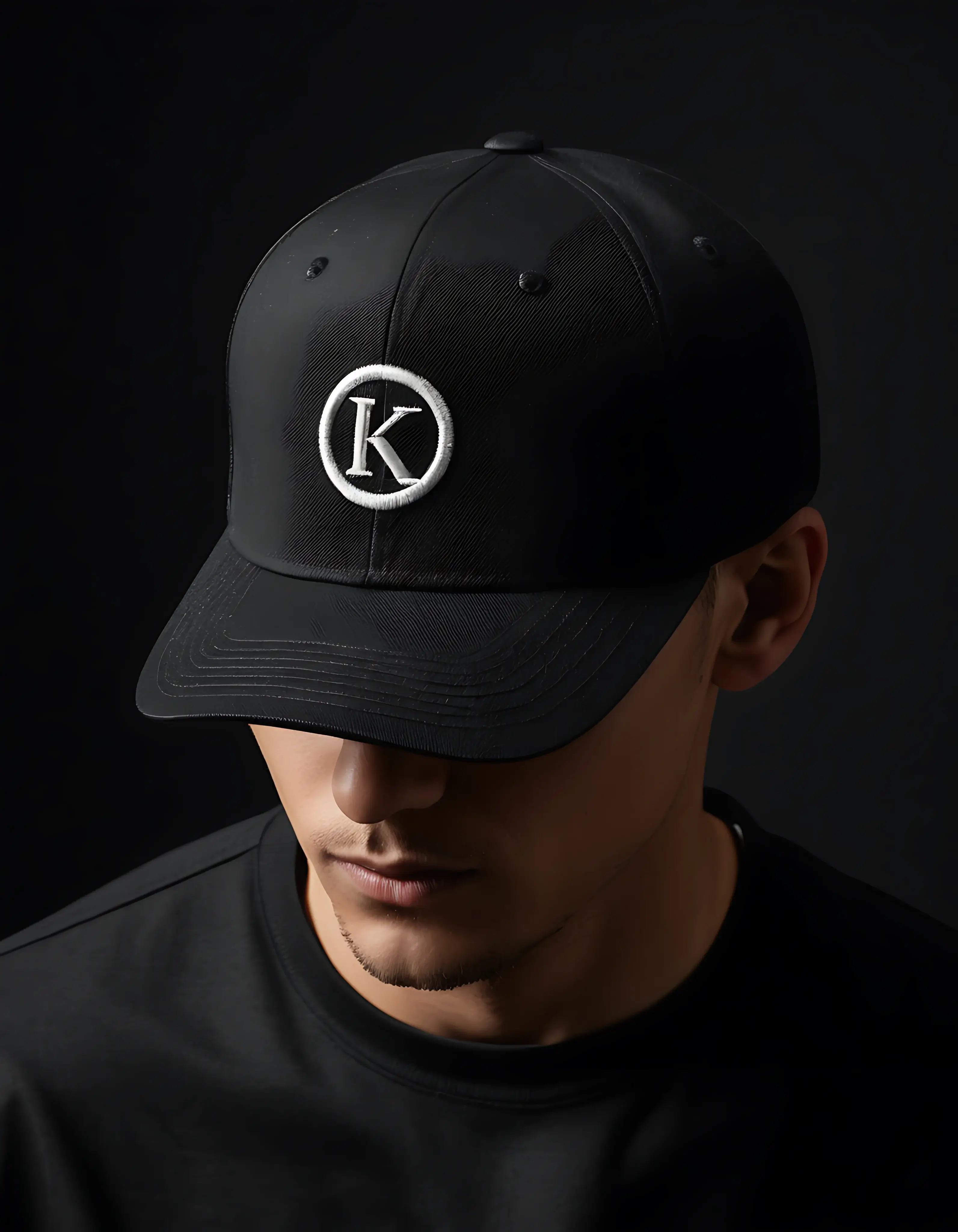

If you’re wondering what is a flat cap, it’s one with a soft top and a short brim that fits low on the head. Simple shape. Strong identity. It has been around for a long time, yet it still looks excellent today since it doesn’t try too hard. In a world full of custom hats, this one stands out without being overly flamboyant.
That is probably why it keeps sticking around. It has history behind it, sure, but you do not need to care about the history to wear one well.
The Basic Idea
A flat cap is usually cut close to the head. It does not have much height. It does not puff up in the front. It does not have that sporty shape most modern caps have. The brim is short, the body is soft, and the overall look feels tidy.
That is what pulls people in. It looks finished, but not stiff. You can wear it with a jacket and boots, or with something much simpler, and it still makes sense.
A Style With Real Staying Power
This cap came out of British and Irish working life. It was practical. Easy to wear. Good outdoors. Over time, it stopped being just that. It moved from fields and factory towns into everyday style, and then into fashion.
That mix of utility and character is what still gives it life. Compared with custom trucker hats, which usually lean casual and loud, this style says more with less. It is quieter. More settled.
Types of Flat Cap
A lot of people think there is just one version, but that is not really the case. The types of flat cap people usually come across vary in shape more than anything else.
The classic one is fuller through the crown and has that traditional look most people picture first.
The ivy version is slimmer and neater. It tends to sit flatter, which is why some people find it easier to wear.
The duckbill shape pushes a little more forward and often feels more modern.
Then there are lighter driving-style versions that feel easier in warm weather and less heavy with casual outfits.
On paper, those differences sound small. On the head, they are not small at all.
Fabric Changes the Whole Feel
This is where people make bad buys. They focus on shape and forget material. But fabrics for flat caps do a lot of the work.
Tweed and wool give you that traditional look right away. They have texture, weight, and a colder-weather feel.
Cotton is easier for daily use. Linen is better when the temperature climbs and you still want the same overall silhouette without trapping heat.
Corduroy offers a softer sheen and a touch of vintage charm. Suede and leather take things in a new way and can make the hat appear sharper, even dressier.
The point is, fabric is not a side detail here. It changes the whole mood.
Why It Still Gets Worn
Some people still hear this cap mentioned and picture an older man on a countryside walk. That image is not wrong, but it is incomplete. Plenty of men’s flat caps look current when the styling is right. They are not trend pieces. That is exactly why they work.
They also fill a gap that other caps do not. A baseball cap can feel too casual. A dress hat can feel like too much. This lands somewhere in the middle.
And that middle ground matters. It lets you dress with a bit more intention without looking like you spent an hour trying to do it.
It Depends on How You Wear It

A lot of hesitation comes from one issue. People are not sure about how a flat cap is worn. Fair enough. It can go wrong fast if the outfit starts leaning into costume territory.
The easiest fix is not to overbuild around it.
A wool version works with a solid coat, dark denim, and decent boots. A lighter one works with a casual overshirt or a plain button-up. That is enough. You do not need old-timey styling tricks to make it work.
The cap should look like it belongs to the rest of your wardrobe. If it feels like a special effect, something is off.
How to Pull It Off Without Making It a Big Deal
This is usually what people mean when they ask how to style a flat cap. They are not asking for fashion theory. They just want to know how to wear it and still look normal.
Keep the outfit grounded. Let the cap be one part of it, not the whole point of it.
That is also why it reads differently from custom snapback hats. A snapback often becomes the center of the look. This one does better when it blends in a little. Not invisible. Just not shouting.
Picking One You Will Actually Wear
If you want to find the right flat cap, do not start with what looks best in a product photo. Start with what suits your face and your weather.
Some people look better in a fuller shape. Others are better off with something slimmer and cleaner. If you live somewhere hot, heavy wool may look great and still end up being a bad purchase. If you mostly dress casually, a cap that feels too formal may never leave the shelf.
This is one of those products where small details matter more than people expect. Shape. Fabric. Fit. Stitching. Finish. The simpler the design, the easier it is to notice whether it looks cheap or well-made. The same thing happens with custom embroidered hats. Clean execution matters more when the design is not doing extra work.
How a Flat Cap Should Fit
This is the part that sounds easy until you actually try one on.
A flat cap should feel settled on your head. Not snug in a painful way. Not loose in a floppy way. Just right. You should be able to wear it without thinking about it every thirty seconds. If it leaves a line across your forehead, it is too tight. If it keeps slipping or tilting when you move, that is not a good sign either.
A lot of people focus only on the number on the size chart, but shape matters too. Some caps are cut flatter. Some have more body in the crown. That changes how they look straight away. One person puts on a fuller style and it looks spot on. Another person puts on the same cap and it looks bulky. That is normal. It is not always about size. Sometimes the cut just is not for you.
That is why guessing is such a gamble with flat caps. You can get away with that on some hats. Not really on this one.
How You Know It Is the Wrong One
Usually, your head tells you before the mirror does.
If the cap feels irritating after a few minutes, that already tells you something. Maybe it pinches near the ears. Maybe it feels tight across the forehead. Maybe the front sits oddly and you keep touching it to fix it. None of that means “close enough.” It means wrong cap.
Then there is the visual side. Some caps sit too high and look like they are hovering. Others sag in strange places or throw the brim too far forward. People often blame themselves for that. They think maybe they are not “pulling it off.” Most of the time, it is just the cap.
A good one should not feel like a negotiation.
Measure First, Save Yourself the Trouble Later
This part is boring, but it saves money.
Take a soft tape measure and wrap it around your head where the cap would naturally sit. That usually means across the forehead and just above the ears. Keep it straight. Do not yank it tight like you are trying to get a smaller number.
Then check the actual size chart from the brand. Not a general size chart. Their chart.
Hat sizing drifts more than people expect. A medium from one brand can feel like a small from another. And if you are right between sizes, stop and think about the fabric. Some materials ease up a bit. Others stay exactly how they were on day one.
The Styling Mistake People Make All the Time
The fastest way to make a flat cap look awkward is to overdo the rest of the outfit.
People buy one, then suddenly feel like they need to dress like a character. Too many heavy textures. Too much “heritage” energy. Too much effort. That is usually where it goes wrong.
A flat cap works better when the clothes around it are simple and believable. A sweater. A decent jacket. Dark jeans. Boots. Maybe a plain button-up. Maybe an overshirt. Enough said.
You do not need to build a whole story around it. The cap already has enough presence on its own.
And yes, fabric matters here too. Thick tweed in the middle of a hot day looks exactly as uncomfortable as it feels. If it is warm out, lighter cotton or linen is the smarter choice. Not because of fashion theory. Just basic common sense.
When It Makes the Most Sense

Flat caps are easiest in cooler weather. That is the truth of it.
Fall is probably the sweet spot. The textures line up naturally. Jackets come out. Knitwear starts making sense again. Boots do not look out of place. A flat cap fits into that picture without needing an explanation.
Winter works too, especially if the cap has some structure and weight to it.
Spring can be good as well, but the cap needs to lighten up with everything else. The minute the weather shifts, the heavy winter versions start to feel out of sync.
Summer is trickier, not impossible. A breathable cap in cotton or linen can work. A thick wool one in bright heat usually just looks like a mistake.
Taking Care of It Without Being Precious
You do not need to baby a flat cap, but you do need to stop treating it like an afterthought.
Many individuals destroy hats without ever wearing them. They crush them beneath jackets, leave them on vehicle seats, stuff them into bags, or keep them somewhere moist. Then they wonder why the cap starts looking tired so quickly.
If yours accumulates dust, wipe it off lightly. If something spills on it, clean it up right away. When a stain sets in, individuals worry and scrub harder than they should. That is how shape gets lost.
And with flat caps, shape is a big part of the appeal. Once that goes, the whole thing starts falling apart.
Frequently Asked Questions
Final Words
A flat cap is easy to get wrong when you overthink it, and easy to get right when you do not. Get the fit sorted. Pick a fabric that matches the weather. Wear it with clothes that already make sense for you. Look after it well enough that it keeps its shape. That is really the whole thing. No drama needed.
