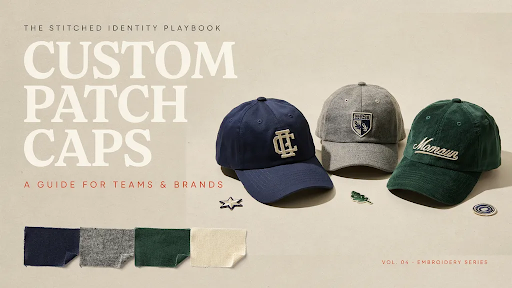
A plain cap can do the job. A patch cap usually does it with more personality. That is why custom patch caps have become such a strong choice for UK teams, cafés, gyms, trade crews, student societies, small clothing brands, event organisers, and businesses that want their logo to feel more finished.
A patch gives a cap texture. It adds depth. It makes the branding feel less like a quick print job and more like something people would actually wear outside the event. The catch? Not every patch works on every cap.
A leather patch on a curved baseball cap gives a completely different feel from a woven patch on a snapback or a PVC patch on a military-style cap. The cap shape, patch material, attachment method, artwork, and use case all need to line up. Get that wrong and the cap can look cheap, even if the patch itself is decent. Get it right and you have branded headwear that feels retail-ready.
This guide breaks down how custom patch caps work, which patch types make sense, what cap styles are best, what mistakes to avoid, and how UK buyers can order caps that actually look good in real life.
What Are Custom Patch Caps?
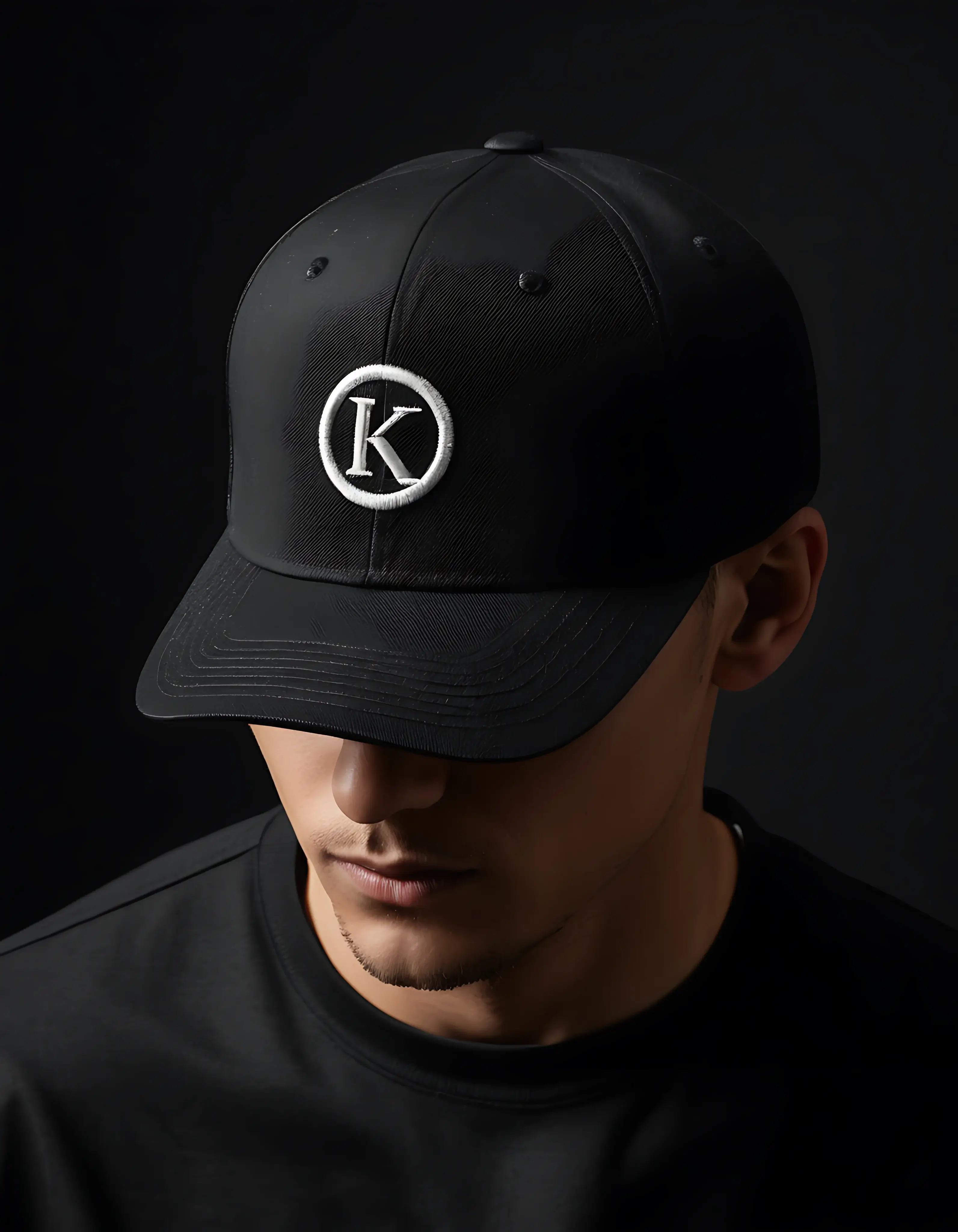
Custom patch caps are caps with a separate branded patch attached to the cap instead of having the logo printed or embroidered directly onto the fabric. The patch can be made from thread, woven fabric, leather, PVC, printed material, or Velcro-backed material. It is then sewn, heat pressed, or bonded onto the cap.
That separate patch is the whole point. It gives the branding more shape and presence. A direct embroidery logo sits inside the cap fabric. A patch sits on top of it. That small difference changes the look immediately. The design feels more dimensional, more tactile, and often more premium.
This is why custom patch hats are so popular for workwear, outdoor brands, sports clubs, hospitality merch, music events, breweries, streetwear drops, gym caps, and staff uniforms. They work when you want something tougher than print and more badge-like than direct embroidery.
Why Patch Caps Look Different From Direct Embroidery
Direct embroidery is stitched straight into the cap. It is clean, classic, and durable. It works really well for many logos.
Patch caps work differently. The logo is created separately first, then attached to the cap. This opens up more material options and gives the design a stronger outline. You can use leather, woven detail, textured embroidery, rubber PVC, or printed patch artwork depending on the look you want.
That is why custom patch caps often feel more like merch and less like basic promotional stock.
A football club crest, for example, can look more substantial as a woven or embroidered patch. A coffee shop logo can feel warmer on a leather patch. A fitness brand might suit PVC if the design is bold and modern. A streetwear drop may work better with a strong patch on a structured snapback.
The patch adds a physical object to the cap. That sounds simple, but visually it makes a real difference.
Who Should Order Custom Patch Caps?
Patch caps are not only for fashion brands.
They work for UK businesses that want staff caps with more character than standard embroidery. They work for sports teams that want a crest with some weight to it. They work for clubs, schools, cafés, gyms, festivals, charity events, outdoor crews, university societies, tradespeople, and creators building merch.
They are also a strong option for brands that already know basic print is not enough. If you want a cap people will keep wearing, not just take home and forget, the finish matters.
A lot of buyers start with the question: “Can we just put our logo on a cap?” Sure. But the better question is: “What kind of cap would someone actually want to wear?” That is where custom patch caps start to make more sense.
Why Custom Patch Caps Are Popular in the UK
UK buyers are getting pickier about branded headwear. That is a good thing.
Nobody wants a stiff, awkward promo cap that feels like it came free in a conference bag. Teams want caps that look sharp on match days. Small businesses want merch that customers will buy, not just accept politely. Event organisers want caps that survive more than one weekend. Brands want headwear that photographs well and feels consistent across the team.
Custom patch caps tick a lot of those boxes. They look more premium than basic print. They work across casual and uniform settings. They can be bold or subtle depending on the patch material. They also give the cap more personality, which matters when every brand is fighting for attention.
If you are creating caps for outdoor campaigns or live events, it is also worth reading the Caps Maker UK guide on best custom caps for summer outdoor events and festivals in the UK. Patch caps can work brilliantly in that space when the fabric, patch type, and attachment method are chosen properly.
The Premium Look Without Overcomplicating the Cap
A patch does not need to be huge to look good. In fact, many of the best patch caps are quite restrained. A clean woven badge on a navy baseball cap. A debossed leather patch on a khaki trucker. A small embroidered crest on a black fitted cap. These details do not scream. They just make the cap feel more considered.
That is where patch caps beat a lot of overdesigned merch. The cap can stay simple while the patch carries the identity. That makes the final product easier to wear. It also gives buyers more flexibility because the same patch idea can move across baseball caps, truckers, snapbacks, beanies, or bucket caps without losing the brand feel.
Types of Patches for Custom Patch Caps
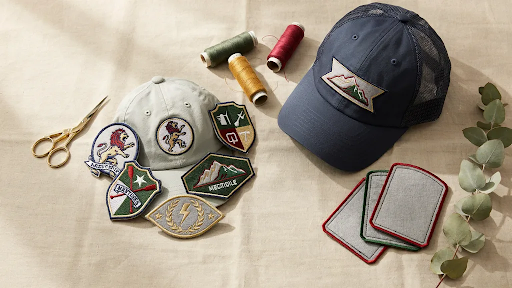
Choosing the patch type is where the whole project starts to take shape. The same logo can look completely different depending on whether it is embroidered, woven, leather, PVC, printed, or Velcro-backed. This is not just a style decision. It affects durability, detail, texture, cost, and how the cap feels once finished.
Embroidered Patches
Embroidered patches are the classic choice. They use thread to create a raised, textured design. They work well for team crests, club badges, company logos, schools, societies, and workwear.
The biggest strength is texture. Embroidery has depth and a handmade feel, even when it is machine-made. It looks solid on structured caps and works especially well for logos that are not too detailed.
The downside is fine detail. Tiny text, thin lines, and complicated gradients usually do not translate well. If your logo has small lettering or intricate shapes, a woven patch may be cleaner.
If you want direct stitching instead of a separate patch, Caps Maker UK also offers custom embroidered caps for brands that prefer a cleaner classic finish.
Woven Patches
Woven patches are better for detail. They use thinner threads and a tighter weave, which makes them a good choice for small text, fine lines, badges, and more complex logos.
They do not have the same raised texture as embroidered patches, but they look sharper when detail matters. Think school crests, club badges, detailed brand marks, or designs that need cleaner edges.
For a logo with tiny typography, a woven patch is often the smarter call.
Leather Patch Caps
Leather patch caps have a rugged, premium feel. They work well for outdoor brands, barbers, breweries, cafés, camping brands, workwear businesses, western-style labels, and lifestyle merch.
Leather patches can be engraved, debossed, embossed, or printed depending on the supplier and material. Genuine leather feels rich, while faux leather can keep costs down and offer vegan-friendly options.
The main thing to remember is that leather usually works best with simpler logos. Strong initials, icons, badges, and wordmarks can look great. Tiny colour-heavy designs usually do not.
PVC Patch Caps
PVC patches are rubber-like, bold, and weather-resistant. They work well for gym brands, outdoor teams, sports clubs, tactical looks, military-style caps, and youth-focused merch.
They are not soft or traditional. That is the point. PVC gives a modern, high-impact finish. It can handle strong shapes and raised 3D-style details. It also suits caps that need to feel tougher or more performance-led.
PVC is not right for every brand, but when the look fits, it stands out fast.
Printed Patches
Printed patches are useful when the design has gradients, full-colour artwork, photos, or complex graphics that embroidery cannot handle.
They can look clean and sharp, but they usually feel less textured than embroidered, woven, or leather patches. For event artwork, colourful festival caps, charity campaigns, or limited-run designs, printed patches can make sense.
Velcro Patch Caps
Velcro patches are practical. They allow patches to be removed or swapped. This is useful for military-inspired caps, tactical teams, security groups, outdoor clubs, role-based staff headwear, or event teams where patches change by department. A Velcro patch cap is less about fashion and more about flexibility. If the cap needs to do a job, Velcro can be a smart option.
Best Cap Styles for Patch Caps
A patch only looks as good as the cap underneath it. This is where many orders go wrong. Buyers choose the patch first, then force it onto a cap that does not support it. The better approach is to choose the cap and patch together.
Trucker Caps
Trucker caps are one of the best bases for patch designs. The structured front gives the patch a firm surface, while the mesh back keeps the cap breathable.
They are especially strong for leather patches, embroidered badges, outdoor brands, casual staff wear, trade crews, and summer event merch. If you want a patch that feels bold and visible, custom trucker caps are a strong starting point.
They also work well for brands that want a relaxed but practical look. Think landscaping teams, gyms, breweries, food trucks, event staff, and outdoor clubs.
Baseball Caps
Baseball caps are the safest everyday option.
They work for sports teams, schools, businesses, staff uniforms, student groups, charity events, and casual merch. A structured baseball cap gives the patch enough support while still feeling easy to wear.
If your target audience is broad, custom baseball caps are usually the most flexible choice. They do not feel too streetwear-heavy, too formal, or too niche. That makes them useful when you need caps that suit different ages, outfits, and settings.
Snapback Caps
Snapbacks are sharper and more streetwear-led. They usually have a structured crown, flat or slightly curved brim, and strong front profile.
That makes them great for bold patches, creator merch, fashion drops, music events, youth clubs, gyms, and brands that want the cap itself to have an attitude. If your logo needs a clean front stage, custom snapback caps make a lot of sense.
They also work well when one-size adjustability matters for group orders.
Fitted Caps
Fitted caps feel more premium when sizing is controlled. They are great for retail drops, team caps, premium merch, and buyers who want a cleaner no-adjustment look.
The tradeoff is sizing. You need to know your audience or offer multiple sizes. A patch on a fitted cap can look very high-end, but only if the cap fits properly.
Military Caps
Military-style caps suit patches almost too well. The flat front, utility feel, and structured shape make them a natural choice for Velcro patches, PVC patches, embroidered badges, and tactical-inspired branding.
They work for cadet groups, outdoor teams, security staff, fitness brands, airsoft groups, veterans’ events, and workwear companies. Custom military caps are also a strong choice when the brand needs a tougher, more practical feel.
Bucket Caps
Bucket caps are more relaxed. They are not always the obvious patch choice, but they can work well for festivals, summer campaigns, streetwear drops, surf-inspired brands, student events, and outdoor merch.
The patch usually needs to be smaller and placed carefully because the surface is softer and more curved. For the right audience, though, a patch bucket cap can look fresh without trying too hard.
Custom Patch Caps vs Embroidered Caps vs Printed Caps
This is the comparison most buyers need before ordering.
| Option | Best For | Main Strength | Main Weakness |
| Custom patch caps | Premium merch, workwear, teams, outdoor brands | Texture, depth, stronger identity | Patch size and placement must be planned |
| Direct embroidered caps | Classic logos, staff caps, team names | Durable, clean, timeless | Fine detail can be difficult |
| Printed caps | Colourful artwork, events, campaigns | Good for gradients and large designs | Less premium feel |
| Leather patch caps | Lifestyle, outdoor, cafés, breweries | Premium, rugged, distinctive | Not ideal for detailed colour logos |
| PVC patch caps | Sports, gym, tactical, outdoor use | Bold and weather-resistant | Less soft or traditional |
| Woven patch caps | Detailed logos and crests | Fine detail and clean lines | Less raised texture |
If you want a simple answer: choose patch caps when you want the logo to feel like a badge. Choose embroidery when you want classic stitching. Choose print when the artwork is colourful or temporary.
How to Design Custom Patch Caps That Actually Look Good
Good patch caps start with good artwork. Not complicated artwork. Good artwork.
There is a difference.
Keep the Patch Shape Simple
Round, square, rectangle, oval, shield, and hexagon shapes usually work best. They are easy to read and sit well on cap fronts.
Odd shapes can work, but they need more testing. If the outline is too complex, the patch can look messy once scaled down.
Avoid Tiny Text
Tiny text is the enemy of good cap patches.
A phrase that looks clear on your laptop can disappear completely on a 6cm patch. If your brand name is long, consider initials, a simplified wordmark, or a stronger icon.
People should be able to read the patch from a normal distance. If they have to squint, the design is too busy.
Use Strong Contrast
A dark patch on a dark cap can look cool in theory and unreadable in real life. Contrast matters.
Black on cream, tan on navy, white on forest green, gold on black, red on white, these kinds of pairings give the design space to breathe. Tonal designs can work, but they need strong texture or shape to avoid disappearing.
Match Patch Material to Brand Personality
Leather feels premium and outdoorsy. Woven feels clean and detailed. Embroidered feels classic and tactile. PVC feels bold and modern. Printed feels flexible and colourful.
Do not pick the patch type just because it is trendy. Pick it because it matches the brand.
Choose the Right Patch Size
Most front cap patches sit somewhere around 5cm to 8cm wide, depending on the cap and artwork. A tiny patch can feel lost. A patch that is too large can look clumsy, especially on curved caps.
Structured fronts usually handle larger patches better. Softer caps need more restraint.
Sew-On vs Heat Press: Which Attachment Is Better?
The attachment method matters more than most buyers think. A great patch attached badly is still a bad cap.
Sew-On Patches
Sew-on patches are usually the safest choice for durability. They are stitched around the border, which helps the patch stay secure through regular wear.
Choose sew-on for sports teams, workwear, outdoor staff, high-use merch, and premium orders. If the cap will be worn often, packed into bags, sweated in, or used outdoors, sew-on is the stronger option.
Heat Press Patches
Heat press patches are faster and can work well for casual merch, leatherette patches, event caps, and lighter use. The finish can look clean when applied properly.
The downside is longevity. If the cap gets heavy wear or the heat settings are wrong, edges may lift over time.
Adhesive-Back Patches
Adhesive patches are usually best for temporary use or low-wear items. They are not the best choice for serious branding, sports use, or premium merch.
If you care about durability, do not rely on adhesive alone.
How to Order Custom Patch Caps From Caps Maker UK
Ordering custom patch caps should not feel like decoding a production manual. The process is much easier when you make the key decisions in the right order.
Step 1: Choose Your Cap Style
Start with the use case.
Is it for a sports team? Choose baseball caps or snapbacks. Is it for outdoor workwear? Truckers or military caps may fit better. Is it for a fashion drop? Snapbacks, fitted caps, or bucket caps may make more sense. Is it winter merch? Beanies with woven or leather patches can work beautifully.
Step 2: Choose Your Patch Type
Pick the patch after the cap style.
Embroidered for classic texture. Woven for detail. Leather for premium lifestyle branding. PVC for bold outdoor or tactical looks. Printed for colour-heavy artwork. Velcro for changeable patches.
Step 3: Send Clean Artwork
Vector files are best. AI, EPS, or SVG files usually give the cleanest result. A high-resolution PNG can work if the logo is simple and clear.
Do not send a tiny screenshot and hope for magic. That is how rough patches happen.
Step 4: Approve the Digital Proof
A proof lets you check size, colour, patch shape, and placement before production. Read it properly. Check spelling. Check logo spacing. Check whether the patch feels too big or too small.
This step is boring until it saves your order.
Step 5: Confirm Production and Delivery
Turnaround depends on patch type, quantity, cap availability, and how quickly the proof is approved. Bulk orders need more time, especially if the patch is custom-made from scratch.
If you already have a deadline, mention it early.
What Makes Caps Maker UK a Strong Choice?
Caps Maker UK is a strong fit for buyers who want proper custom caps without guessing through the whole process alone.
The brand covers a wide range of headwear, including baseball caps, trucker caps, snapbacks, embroidered caps, fitted caps, military caps, bucket caps, sports caps, and more. That matters because patch caps are not one-size-fits-all. The right base changes the final result.
For teams, brands, clubs, staff uniforms, event organisers, and merch sellers, the advantage is simple: you can build the cap around the job. Not just the logo.
You can match patch material to brand style. You can pick a cap shape that suits the audience. You can choose a finish that looks right for workwear, retail, sports, festivals, or corporate use.
That is how custom patch caps move from “nice idea” to something people actually keep wearing.
Common Mistakes to Avoid When Ordering Patch Caps
- The first mistake is making the patch too large. Bigger is not always better. A huge patch can overpower the cap and make the front look stiff.
- The second mistake is using tiny text. If it is hard to read on screen, it will be worse on a patch.
- The third mistake is choosing the wrong patch material. A leather patch is not ideal for every logo. PVC may look too modern for a traditional brand. Embroidery may struggle with fine detail.
- The fourth mistake is ignoring cap structure. A soft cap and a structured cap do not hold patches the same way.
- The fifth mistake is using heat press when sew-on would be better. If the cap will be used hard, sew it.
- The sixth mistake is skipping the proof. Do not do that. The proof is where small problems get caught before they become expensive problems.
Where Patch Caps Work Best
Custom patch caps work especially well when the cap has to feel more premium than standard promo gear.
They are great for sports teams that want a crest or badge. They suit gyms that want merch members will wear outside the gym. They work for cafés, breweries, barbers, and local brands that want a warm lifestyle feel. They also fit outdoor staff, event crews, festival merch, and student societies.
Patch caps are also useful for graduation groups and societies that want something more wearable after the event. If you are working on school or college cap ideas, the Caps Maker UK blog on how to make custom graduation caps for high school and college graduates gives useful context on personalisation and event-led custom headwear.
FAQs
What are custom patch caps?
Custom patch caps are caps with a separate patch attached to the front, side, or another panel. The patch can be embroidered, woven, leather, PVC, printed, or Velcro-backed, depending on the look and use case.
Are custom patch caps better than embroidered caps?
They are better when you want a raised, badge-like finish with more texture and material choice. Direct embroidered caps are still excellent for classic logos, simple branding, and clean staff uniforms.
What is the best patch type for caps?
Embroidered patches are best for classic branding. Woven patches are better for fine detail. Leather patches suit premium lifestyle and outdoor brands. PVC patches work well for bold sports, gym, outdoor, and tactical-style caps.
Do leather patch caps last long?
Yes, if the leather patch is made well and attached properly. Sewn leather patches usually last longer than adhesive-only options, especially on caps used for workwear, outdoor teams, or regular merch.
Are sew-on patches better than heat press patches?
For heavy use, yes. Sew-on patches are usually more durable. Heat press patches can still work for lighter use, casual merch, or some leatherette patches, but they need proper application.
What cap style is best for custom patches?
Structured trucker caps, snapbacks, and baseball caps are usually the strongest choices because they give the patch a firm front panel. Beanies, bucket caps, fitted caps, and military caps can also work with the right patch type.
Can I order custom patch caps in bulk?
Yes. Bulk patch cap orders are common for teams, businesses, events, staff uniforms, outdoor crews, clubs, and merch drops. Larger quantities usually give better unit pricing.
What artwork file do I need for patch caps?
Vector files such as AI, EPS, or SVG are best. A high-resolution PNG can also work if the artwork is clean and large enough. Avoid screenshots, blurry logos, and tiny text.
Are custom patch caps good for sports teams?
Yes. They work well for sports teams because patches can carry a crest, initials, mascot, sponsor mark, or club logo in a more premium way than standard print.
How long does it take to make custom patch caps?
Turnaround depends on patch type, quantity, cap availability, proof approval, and delivery requirements. Clean artwork and quick proof approval usually help the order move faster.
Make the Patch Fit the Cap
Custom patch caps work best when everything lines up: cap style, patch material, artwork, attachment method, and use case.
A leather patch on a trucker can look brilliant for an outdoor brand. A woven crest on a baseball cap can feel perfect for a sports club. A PVC patch on a military cap can look tough and modern. But the same patch on the wrong cap can fall flat quickly.
That is why the smartest buyers do not start with “what looks cool?” They start with “who will wear this, where will they wear it, and what should the cap say about us?”
If you want patch caps that feel clean, durable, and ready for real use, Caps Maker UK can help you choose the right base, patch type, and finish before production starts. Build something people actually want to wear, not another giveaway cap that disappears into the back of a drawer.
