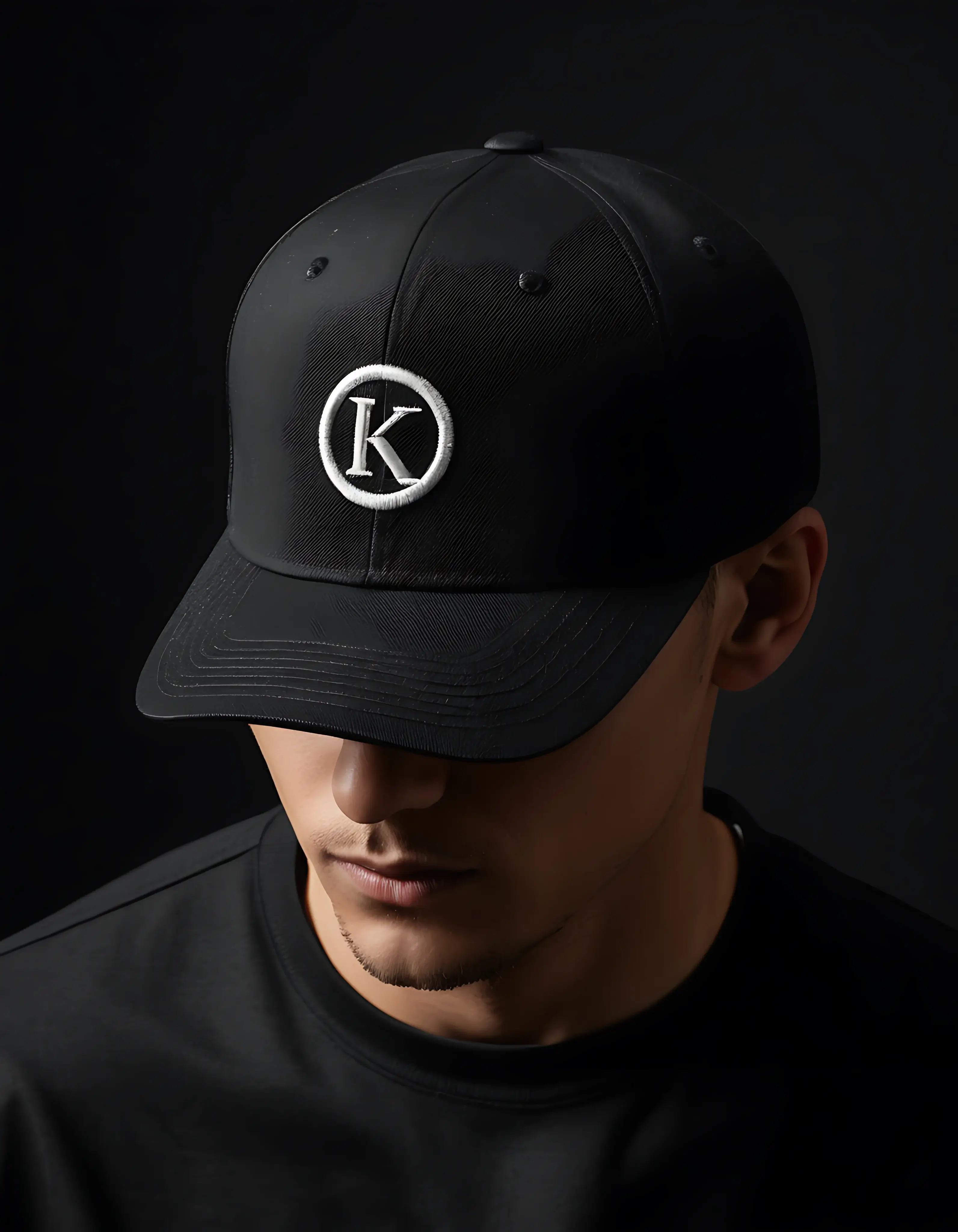
Complete Custom Caps UK Guide to Personalised Headwear & Fit
Blog | 3/16/2026
If you have ever ordered a cap online and thought, “Yep, this will look mint,” then opened the box and realised it sits weird on your head, you are not alone. Caps are deceptively fussy. A tiny change in crown height, fabric, or logo placement can turn “brand-ready” into “freebie from a random trade show”.
This guide is your no-faff walkthrough of custom caps UK buyers actually wear. Whether you are a small brand planning a drop, a business sorting uniforms, a club doing team gear, or you just want a few personalised caps UK for an event, the goal is the same: get the fit right, pick the right style, and make sure your design looks clean in real life.
What Are Custom Caps?
Custom caps are headwear made to your spec. That can mean your logo stitched on, your slogan printed, your colours matched to brand guidelines, or even a custom patch added to the front panel. You choose the base cap style, then choose how the design goes on.
People often search for “caps” and “hats” like they are the same thing. In practice, caps usually mean brimmed styles like baseball caps, snapbacks, and truckers. “Hats” can include beanies and bucket hats too, which is why you will also see phrases like custom hats UK when people want the full spread.
A proper custom cap order usually includes:
A chosen cap style and size approach (adjustable or sized)
A decoration method (embroidery, print, patch)
Placement (front, side, back)
Colour choices for the cap and the design
Quantity for the run
If you get those decisions right, you end up with headwear that feels intentional. If you guess, you might still get lucky, but that is not a great strategy when money and deadlines are involved.
Benefits of Custom Caps for Branding
Caps work because they are worn out in the world. A hoodie is great, but it is seasonal. A tee is solid, but it competes with a million other tees. A cap shows up in daily life in a way that is hard to beat.
Here is what caps do well for branded caps UK projects.
They Put Your Brand at Eye Level
People notice headwear first. A clean logo on the front panel is basically a moving signboard, except less annoying and more wearable.
They Feel Like Real Value
A good cap does not feel like cheap promo. It feels like a product. That matters if you are selling merch, gifting to clients, or kitting out staff who will wear it around customers.
They Work Across Groups
Caps are a safe bet when you are ordering for mixed teams. People have different styles, but most people can work with a cap if you pick the right silhouette.
They Are Great for Events
Caps do well for:
Staff and crew uniforms
Trade shows and activations
Sports clubs and leagues
Charity runs
Brand drops and creator merch
If your event is outdoors, caps go from “nice” to “thank you, I needed that”.
They Scale From Small to Big
You can start with a small run for a test drop, then go larger when it sells. The same design can work across multiple styles too.
Types of Custom Caps
This is where most people get stuck. They choose a style because it looks cool on a model, then wonder why it looks different on their actual head. Caps are a mix of structure, crown height, brim shape, and closure style.
Below is a practical breakdown of the most common styles. You will see these as standalone product categories and also as target phrases like custom caps UK or personalised caps UK searches.
Custom Baseball Caps
The everyday option. A curved brim, usually adjustable, often lower-profile. Easy to wear, easy to brand, and it does not scream “merch”.
Best for:
Staff uniforms
Everyday brand wear
Simple front logos
Watch out for:
Small text in the logo on a curved front panel
Custom Snapback Caps
Structured, flat brim, adjustable snap closure. More streetwear energy. Works well when you want a bold front design that holds shape.
Best for:
Drops, streetwear brands
Chunkier logos
Teams and clubs that want a structured look
Watch out for:
Very large embroidery can look heavy on a stiff front panel
Custom Trucker Caps
Structured front with mesh back panels. Lightweight and breathable. Great for summer events and workwear.
Best for:
Outdoor events
Trades teams
Brands that want a classic “work cap” feel
Watch out for:
The mesh makes back embroidery trickier. Most designs go front and side.
Custom Fitted Caps
No adjustment strap. Sized fit. Clean, premium look when done right.
Best for:
Retail-style merch
People who care about fit and shape
Watch out for:
You need proper sizing. Guessing here is how returns happen.
Custom Bucket Caps
Casual, festival-friendly, good for fashion brands and summer drops. Custom bucket caps can make a simple logo feel more styled.
Best for:
Streetwear and lifestyle brands
Events, festivals, seasonal merch
Watch out for:
Small, detailed embroidery can get lost depending on fabric texture
Custom Beanie Caps
Cold-weather essential. Great for simple logos, small front placements, or woven labels.
Best for:
Winter merch
Outdoor teams
Brands with a minimalist logo
Watch out for:
Very detailed logos can look messy on rib-knit fabric
Custom Military Caps
More rigid shape with a shorter brim and structured crown. Custom military caps work well for a rugged profile and clean front patch placement.
Best for:
Outdoor and utility brands
Clubs and teams that want a sharper silhouette
Watch out for:
The style is specific. Make sure it matches your audience.
Custom Embroidered Caps
This is not a cap type, it is a decoration choice, but people search it as a product category. It basically means your logo is stitched rather than printed. If you want texture and durability, embroidery is usually the move.
Best for:
Logos that need depth
Designs that must survive regular wear
Watch out for:
Fine lines and tiny text may need simplifying
Quick tip before you pick: ask yourself where these caps will be worn. Staff uniforms and branded giveaways usually want a friendlier, everyday shape. Retail merch and drops can go bolder with structure and higher crowns.
Customisation Methods (Embroidery, Printing)
Your design can look amazing on a screen and still fail on a cap if the method does not match the artwork. Here is the honest rundown.
Embroidery
Embroidery stitches your design directly into the cap. It is durable, textured, and feels premium. It also has limits, because thread is thread. It cannot do ultra-fine detail like a high-resolution print.
Embroidery is a strong pick for:
Logos with bold shapes
Lettering that is not tiny
Designs that need a long life
Things to know before you choose embroidery:
Small text can turn into a blur. If your slogan is tiny, it may need to be shortened or moved to a different placement.
Gradients do not behave like print. You can fake a gradient with thread colour choices, but it will never look like a smooth digital fade.
Stitch density changes the look. Dense stitching looks premium but adds cost and can stiffen the front panel if it is very large.
If you are ordering custom embroidered caps, a simple rule helps: if your logo looks clean as a single-colour mark, it will usually stitch well.
3D Puff Embroidery
This is raised embroidery, usually on larger lettering or bold icons. It is popular on streetwear-style caps.
Good for:
Big brand initials
Front lettering that needs impact
Not great for:
Tiny details
Thin lines
Printing
Printing puts ink on the surface. It is great for artwork that embroidery cannot handle, like small details, thin lines, or complex illustrations. The feel depends on the print type and the fabric.
Printing is a strong pick for:
Detailed designs
Multi-colour artwork
Photo-style graphics (depending on method)
Things to know before you choose printing:
Print durability varies. Some prints last ages, others crack if you treat the cap like a gym towel.
Dark fabrics affect colour. Some inks need a base layer to keep colours looking accurate.
Texture matters. A heavily textured fabric can make a print look less crisp.
A patch is your design made separately, then applied to the cap. It is popular when you want a bold badge look or you want to keep the cap itself simple.
Patches are useful when:
Your design has lots of detail and you want it crisp
You want a bordered badge style
You want to standardise the design across multiple cap styles
Common patch types:
Embroidered patches for classic texture
Woven patches for finer detail with a flatter finish
PVC patches for a clean, modern badge look
Patch placement usually works best on structured fronts, but it can be done on other styles too depending on size and shape.
Which Method Should You Choose?
Use this quick logic:
Want texture and long wear? Pick embroidery.
Need fine detail or lots of colours? Consider print or woven patch.
Want a badge look? Go patch.
Want loud and bold lettering? 3D puff is your friend.
The best result usually comes from matching the method to the design, not forcing the design onto the method.
Best Caps for Businesses & Events
If your goal is branded caps UK that people wear without being told, the “best cap” depends on where it’s being worn and who’s wearing it. Here are practical picks by use case, not theory.
Staff Uniforms and Customer-Facing Teams
Go for comfort and a clean silhouette. You want something that suits most head shapes and doesn’t look too “merch”.
Best picks:
Custom Baseball Caps for everyday wear, curved brim, easy branding
Branding tip: Keep embroidery lighter if possible. Dense stitching on a hot day is not the vibe.
How to Choose the Right Custom Cap
This section is where you avoid the mistakes that cost money. A cap has more variables than most people realise. Here is a simple way to decide without spiralling.
1) Start With the Audience
Ask: who will wear it and how?
Staff and teams: comfort and simplicity win
Merch buyers: shape, brand feel, and finish win
Event giveaways: adjustability and durability win
If you are ordering for a mixed group, avoid fitted caps unless you have head sizes. Adjustable styles reduce headaches.
2) Pick the Right Crown Profile
Crown profile changes the look and the comfort.
Low profile: sits closer to the head, relaxed and casual. Often best for everyday wear.
High profile: taller and structured, better for bold logos and streetwear shapes.
If your logo is wide or needs space, a slightly higher crown helps it sit cleanly.
3) Choose the Right Fabric for the Job
Fabric affects comfort, shape retention, and how the decoration behaves.
Common choices:
Cotton twill: classic, easy to wear, reliable
Polyester blends: durable and often better for heavy use
Mesh panels: breathable, great for truckers
Knit acrylic: common for beanies
If you want soft and relaxed, go cotton. If you want structured and long-lasting, blends can be better.
4) Decide the Decoration Method Based on the Artwork
Do not choose the method first. Choose based on what the design needs.
Go for embroidery if:
Your logo is bold
You want texture
You want durability
Go for print if:
Your design has thin lines, fine details, or lots of colour
Go for patches if:
You want a badge look
You want sharp detail with clean edges
You want to reuse the same design across multiple cap styles
5) Think About Placement Like a Photographer
Placement affects how people see it in real life.
Most common placements:
Front centre: the main statement
Side: premium detail, subtle branding
Back: small text, initials, web address, or tagline
If your logo is complex, keep it front and clean. If your logo is simple, you can add tasteful extras on the side or back.
6) Plan Sizing Like a Normal Person
For groups and events, adjustable caps are easiest. For merch, fitted caps can look premium but need sizing discipline.
Quick sizing guidance:
Mixed group: choose snapback or strapback styles
Fitted: only if you can collect head sizes
Beanies: generally easier because stretch covers a range
Ordering Custom Caps in the UK
This is the step-by-step process that keeps projects smooth. You can use it as a checklist.
Step 1: Decide the basics
Cap style (baseball, snapback, trucker, etc.)
Quantity
Deadline
Branding method (embroidery, print, patch)
If you are unsure, pick the use case first, then choose the cap.
Step 2: Prep your artwork properly
To get the cleanest result:
Use a vector file if possible (AI, EPS, SVG)
If not, use a high-resolution PNG with a transparent background
Avoid tiny text and ultra-thin lines for embroidery
If the logo needs a small tweak to stitch cleanly, it is better to adjust early than be disappointed later.
Step 3: Confirm colours
If you have strict brand colours, share the closest reference you have. Screens can lie. Threads and fabrics behave differently. A “perfect match” is a goal, but it also depends on available thread shades and materials.
Step 4: Approve the proof
A proof stage should confirm:
Logo size
Placement
Thread colours (if embroidery)
Any extra text or side details
Do not rush this. Once stitching starts, changes are not a quick edit.
Step 5: Production and delivery timeline
For UK orders, delivery is typically 10 to 15 days, depending on:
Design complexity
Stitch coverage (embroidery takes time)
Order quantity
If you have a fixed event date, build in a buffer. Couriers do their own thing sometimes.
Step 6: Tracking
Once shipped, you get an order ID for tracking. Keep it safe. It is your fastest way to check updates.
Step 7: Returns and exchanges
Eligible items in new, unused condition can be returned within 30 days of delivery for a refund or exchange. Custom orders often have different rules, so always check what applies to your order type.
FAQs
Are personalised caps UK orders worth it for small businesses?+
What is the most durable customisation method?+
What is the minimum order quantity?+
How do I choose between embroidery and printing?+
How long does delivery take in the UK?+
Can I order different cap styles in one run?+
Get Your Fav Caps Now!
Getting custom headwear right is mostly about three decisions: the cap shape, the decoration method, and the fit approach. Nail those, and you end up with custom hats UK customers and teams actually want to wear, not just accept politely.
If you are building a collection, start with one hero style, keep the logo clean, and focus on consistency. If you are ordering for a group, go adjustable and keep it comfortable. Either way, the smartest move is treating a cap like a product, not an afterthought.
If you want, share your cap style, quantity, and logo type, and Caps Maker UK can suggest the best combination for comfort, clean branding, and cost control without turning the design into a mess.
Want your brand to stand out with high-quality Custom Caps in the UK?
Share your artwork and preferred placement, and we’ll guide you on the ideal cap style, patch type, and finish. Get expert advice, sharp detailing, and a quick proof to bring your vision to life.