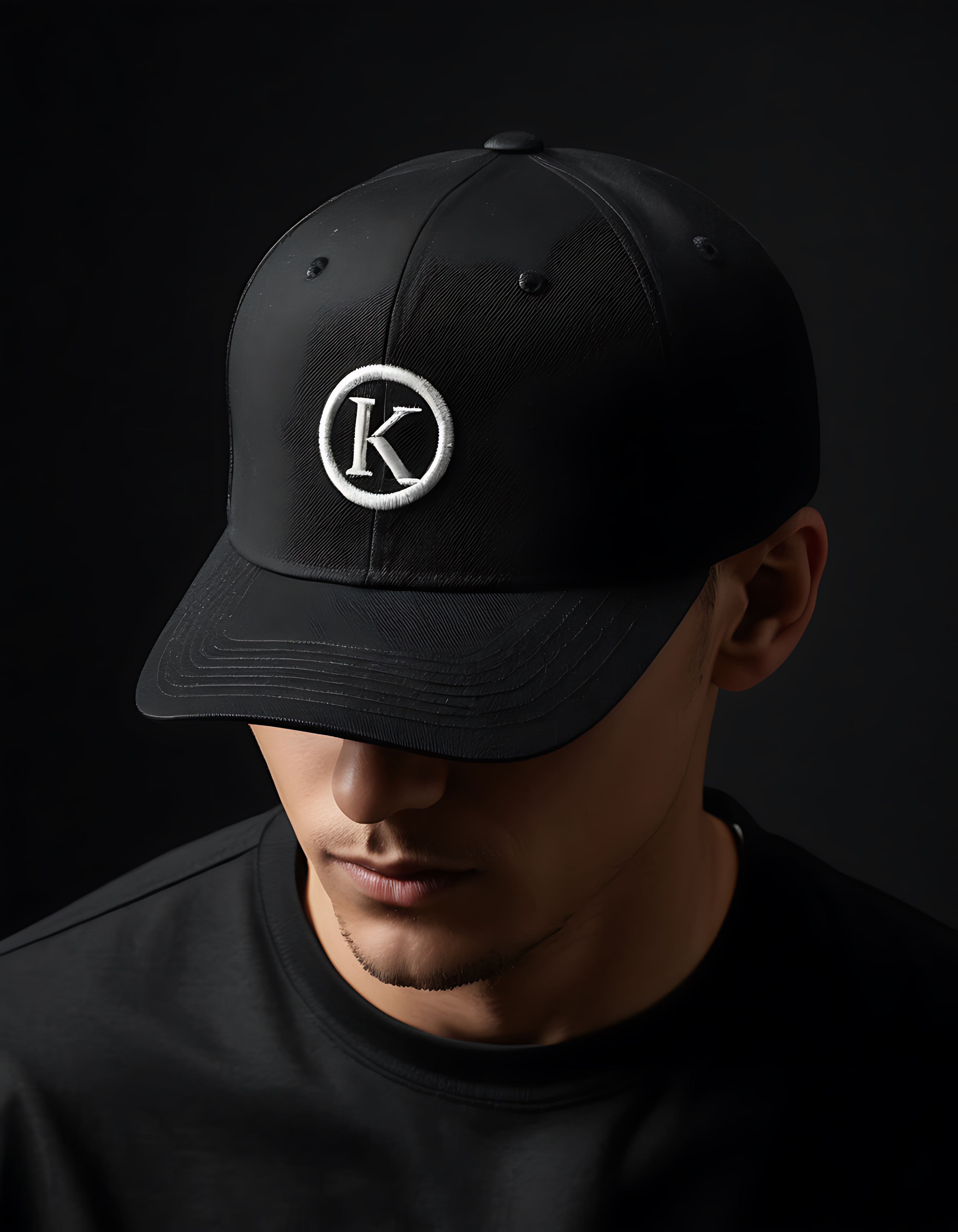
You can iron a patch on and hope for the best… or you can sew it on and stop thinking about it forever. Sewing is the low-drama option. It works on more fabrics, holds up better in the wash, and keeps corners from lifting when life gets rough.
How to Sew on Patches
When Sewing Is the Smarter Move
If the item gets washed a lot, stretched a lot, or abused daily, sewing wins. Hoodies, uniforms, backpacks, denim, and work jackets all fall into that category.
Sewing also makes sense when you’re using thicker patch styles like sew on embroidered patches, sew on PVC patches, or leather patches. Adhesive can struggle on heavy textures, but thread doesn’t care.
Pick the Patch Style First So You Know What You’re Dealing With
Embroidered patches are the classic choice and they hide stitching nicely. Woven patches are cleaner for tiny lettering. PVC patches are tough and weather-friendly, but they can be thick, so a stronger needle helps.
Leather patches look premium and simple, and they also need a sturdy needle. Chenille patches are bold and fluffy, best on jackets and sweatshirts. Applique and sequin patches are more fashion-forward. Sublimated patches are great for full-color art and usually sit flatter.
Whatever you’re sewing, aim to stitch close to the patch border so it looks tidy and intentional.
Placement Trick That Saves You From Sewing Twice
Pin or clip the patch in place, then try the item on before you stitch. This matters more than people expect. A patch that looks perfect on a table can sit too low once the shirt drapes or too far back once a jacket moves.
If you’re working on a shirt, sleeve, or jacket chest area, check the mirror from a normal distance. Make small adjustments now, not after you’ve stitched 80 percent of the border.
This shirt guide “How to Sew a Patch On a Shirt Easy Steps for a Clean Look” is a handy reference if you want a clean placement and stitch flow that looks neat on lighter fabric.
Thread and Needle Choices That Make Sewing Feel Easy
Use strong thread. Regular all-purpose thread works, but thicker thread holds up better on jackets and bags.
Needle choice depends on the material. Thin shirts need a smaller needle. Denim, canvas, and heavy jackets do better with a heavier needle. If you’re sewing sew on PVC patches or leather patches, go heavier so the needle doesn’t bend.
Match your thread color to the patch border if you want invisible stitching. Use contrast thread if you want that outlined look.
The Stitch Method That Looks Clean on Almost Anything
Start from the inside of the garment so your knot is hidden. Bring the needle up near the edge of the custom patch, then stitch around the border.
A whip stitch is the easiest for most beginners and it holds well. Keep stitches evenly spaced and snug. Don’t pull so tight that you pucker the fabric. If you see wrinkles forming around the patch, loosen your tension a bit.
If you want a sharper finish, use a small straight stitch right at the edge of the patch border and go around twice. That second pass adds strength, especially on items that see frequent washing.
When you reach corners, shorten your stitch length. Long stitches at corners tend to lift first. Once you return to your starting point, finish on the inside with a tight knot. Run the needle under a couple stitches before tying off so it doesn’t slip.
If you’re sewing onto outerwear and want the patch to look extra polished, the jacket guide “How to Sew a Patch on a Jacket and Make It Look Awesome” has good ideas for clean borders and stitch placement.
Common Problems and Quick Fixes
If the patch shifts while you sew, use fabric clips instead of pins or add a tiny dot of fabric glue to hold it in place while you stitch. The glue is just a helper, not the main hold.
If your stitches look uneven, slow down and keep your spacing consistent. Most “messy” sewing is just rushed sewing.
If the fabric is thick and your fingers are suffering, use a thimble. It’s not fancy. It’s practical.
FAQs
Can you sew on patches without a sewing machine?
Yes. Hand sewing works great. It just takes a little longer and gives you more control on curves and sleeves.
What is the best stitch for sewing on patches?
A whip stitch is simple and strong. A tight straight stitch close to the border looks very clean, especially if you go around twice.
Can you sew patches onto stretchy fabric?
Yes, but keep the fabric flat while you sew and avoid pulling too tight. This prevents puckering.
How do you make sew on patches last longer?
Use strong thread, stitch close to the edge, and reinforce corners with smaller stitches. Washing inside out also helps.
Finish Strong
Now you know how to sew on patches in a way that looks clean and holds up on real-world gear. If you want patches made with crisp borders that are easy to stitch, The Eagle Patches USA can help you pick the right patch style and deliver a finish that looks sharp from day one.