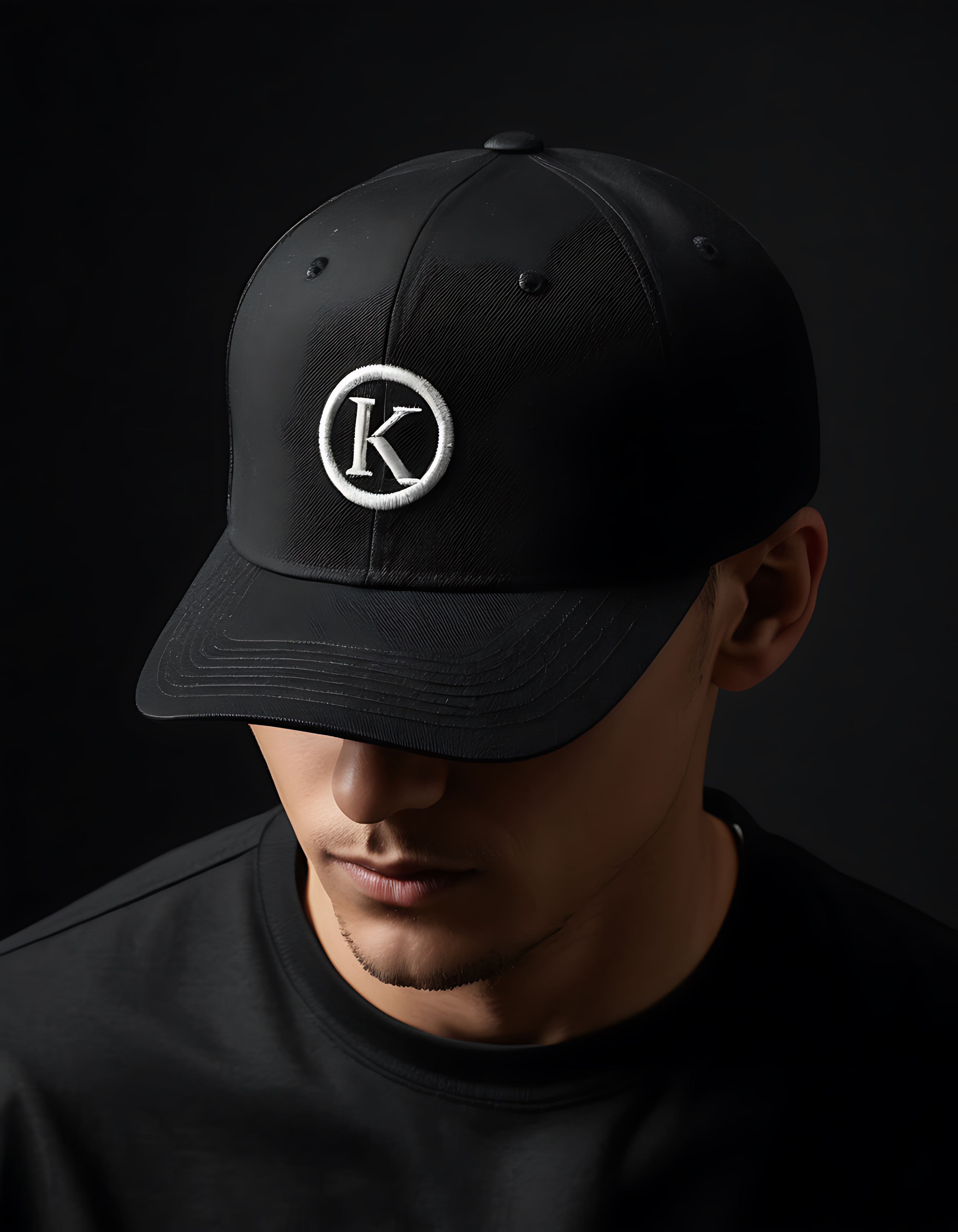
Some patches are permanent. Hook and loop patches are commitment-free, and honestly, that’s their superpower. In 2026, teams, brands, and organizations are moving faster than ever. Uniforms get updated. Roles change. Sponsorships rotate. Merch drops come and go. That’s why hook and loop patches have become the go-to choice for anyone who wants customization without the headache.
If you’ve ever asked “whats a hook and loop patch” or “what are hook and loop patches,” this guide breaks it down easily, shows you how to apply them correctly, and explains why businesses love them for identity, branding, and flexibility.
What Are Hook and Loop Patches
A hook and loop patch is a custom patch that attaches using a two-part system:
- The patch has the hook side
- The garment or gear has the loop side
Press them together and they grip. Peel them apart and they release.
So what is a hook and loop patch in real terms? It’s a patch you can swap anytime without sewing or ironing.
People also call these:
- velcro hook and loop patch
- hook and loop velcro patch
- what is a velcro patch
- what is hook loop patch
The meaning is the same. You get quick attachment, quick removal, and a clean look.
Hook and loop patch meaning
The name describes the mechanics. Hooks grab loops, creating a secure hold that still allows removal. If you are wondering hook fastener patch meaning or what is a hook fastener patch, that “hook fastener” is simply the hook side of the hook and loop system.
How Do Hook and Loop Patches Work
People ask this a lot, especially when they see patches on tactical vests, backpacks, or hats.
How do hook and loop patches work. The hooks on the patch catch the soft loops on the panel. The more surface contact you have, the stronger the hold.
Three things control performance:
- Hook quality
- Loop panel quality
- Cleanliness and alignment
If your loop panel is full of lint, the patch will feel weak. If your patch overhangs the loop panel, edges lift. Hook and loop is simple, but it rewards small details.
For a deeper breakdown on durability and why this backing style holds up so well on gear, this post “Velcro Patches Explained: Uses, Benefits and Durability” is a solid companion.
Hook and Loop for Patches vs Sew On and Iron On
Hook and loop patches win when you need flexibility. Sew on and iron on win when you need permanence.
Hook and loop patches
Best for:
- Rotating uniforms
- Tactical and outdoor gear
- Events and staff roles
- Kids items and school gear
- Brand drops and collectors
Sew on patches
Best for:
- Heavy wash cycles
- Permanent uniforms
- Denim, jackets, and bags
- Long-term wear
Iron on patches
Best for:
- Quick application on compatible fabrics
- Light to moderate wear
- Fashion styling
If your brand wants both, you can offer the patch in multiple backings. That is a smart upsell.

How to Apply Hook and Loop Patches the Right Way
Here’s the clean method for how to apply hook and loop patches.
Step 1 Confirm you have the loop panel
No loop panel means the patch has nothing to grip. Many hats, backpacks, and tactical vests include a loop area built in.
Step 2 Clean the loop surface
Lint is the enemy. Use a lint roller or a stiff brush.
Step 3 Align and press firmly
Press from the center outward. This helps all hooks engage.
Step 4 Check edges
If edges lift, the patch may be too big for the panel. Either size down or install a larger loop panel.
Step 5 Remove by peeling, not yanking
Peel from one corner and roll it off. This protects both the patch backing and the loop panel.
Where Hook and Loop Patches Are Used Most in 2026
Hook and loop patches are everywhere now because they solve real problems.
Uniforms and workwear
Businesses use them for:
- Employee name and role swaps
- Department labels
- Safety designations
- Temporary staff identification
This is huge for companies ordering bulk custom patches for uniforms or custom employee name patches for workwear.
Tactical and outdoor gear
Common on:
- Vests, packs, and plate carriers
- Range bags and backpacks
- Outdoor jackets and hats
If you’ve seen custom patches velcro on a backpack panel, that’s hook and loop in action.
Sports teams and clubs
Teams love hook and loop because sponsors change. Positions rotate. Events come and go. It is the easiest way to keep gear current.
Brand marketing and events
Patches function like collectible badges. Brands use them for:
- Event entry tiers
- VIP access
- Limited-edition giveaways
- Staff identification
This is Branding with Custom Patches without forcing customers into one look forever.
If you want more reasons businesses are choosing this format right now, this guide “Reasons to Choose Velcro Patches” might change your decision.
Choosing the Right Hook and Loop Patch Type
Not all patches with hook backing look the same. Here are popular options:
- Custom Embroidered Patches with hook backing
Classic look, great for logos and bold designs. - Custom Woven Patches with hook backing
Best for small text and clean detail. - Custom PVC Patches with hook backing
Rugged, weather-resistant, ideal for outdoor and tactical use. - Custom Printed or Sublimated Patches with hook backing
Best for full color designs and complex graphics.
If you are building a brand kit, you can mix styles. A logo patch in embroidery, a role patch in woven, and a special edition patch in PVC. Customers love sets.
FAQs
[faq_accordion]
Make Your Branding Swappable in 2026
If your brand, team, or organization changes fast, permanent patches become a problem. Hook and loop patches solve that problem without sacrificing style.
They let you update uniforms, rotate roles, run limited-edition merch drops, and create gear that people can personalize daily. That flexibility is why hook and loop is one of the smartest patch formats in 2026.
If you want patches that hold strong and look sharp, Patch Makers USA can help you create hook and loop patches in embroidery, woven, PVC, or full color options, built for hats, backpacks, vests, and workwear that your customers will actually keep using, swapping, and showing off.